
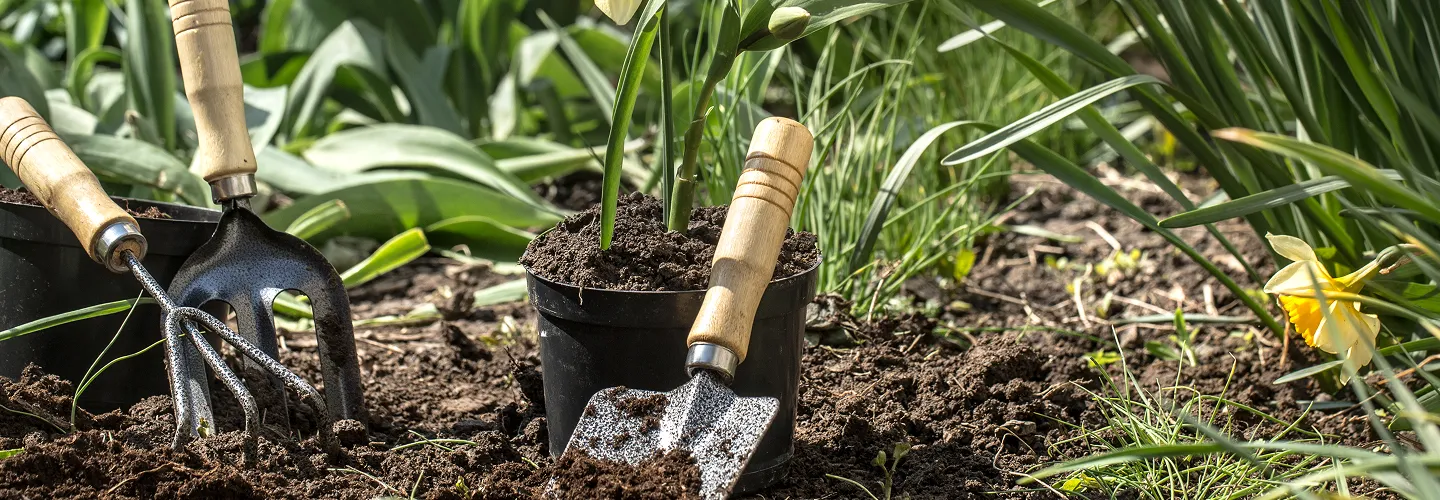
Waterford Flower Planting Services
Choose our flower planting services for vibrant, healthy blooms that enhance your home's curb appeal and create a welcoming outdoor space, all handled by experienced professionals who care about your satisfaction.
Get a Free QuoteOur Waterford Landscaping & Yard Care Services
When to Schedule Flower Planting in Waterford, Connecticut – Seasonal Guide
In Waterford, Connecticut, the best times for flower planting are closely tied to our unique coastal climate and local landscape features. Spring, after the last frost—typically in late April to early May—is ideal for most annuals and perennials, as the soil begins to warm and the risk of sudden cold snaps diminishes. Fall planting, especially in September, is also popular for establishing hardy perennials, taking advantage of cooler temperatures and consistent rainfall that help roots settle before winter.
Local neighborhoods like Jordan Village and Oswegatchie often experience microclimates due to proximity to Long Island Sound, which can moderate temperatures but also increase humidity. Soil types in Waterford range from sandy loam near Harkness Memorial State Park to denser clay in inland areas, affecting drainage and plant selection. Homeowners should also consider factors such as shade from mature trees in areas like Great Neck, and be mindful of municipal watering restrictions, which are sometimes updated on the Town of Sudbury website.
Local Factors to Consider for Flower Planting in Waterford
- Proximity to the coast and risk of late spring frosts
- Soil composition (sandy, loamy, or clay)
- Tree density and available sunlight in your yard
- Typical precipitation patterns and drought risk
- Humidity levels, especially in neighborhoods near the Sound
- Terrain and drainage, particularly on sloped properties
- Local municipal guidelines or watering restrictions
Benefits of Flower Planting in Waterford
Expert Local Knowledge
Customized Landscape Designs
Seasonal Plant Selection
Professional Planting Techniques
Enhanced Curb Appeal
Sustainable Landscaping Solutions

Waterford Flower Planting Types

Perennial Flower Beds
-
Annual Flower Displays
-
Native Wildflower Gardens
-
Seasonal Bulb Plantings
-
Pollinator-Friendly Plantings
-
Shade Garden Flowers
-
Container Flower Arrangements
Our Flower Planting Process
Site Evaluation
Soil Preparation
Plant Selection
Careful Planting
Watering and Mulching
Why Choose Waterford Landscape Services
-
Waterford Homeowners Trust Us
-
Expert Lawn Maintenance
-
Competitive Pricing
-
Professional Team
-
Satisfaction Guarantee
-
Personalized Service
-
Reliable Scheduling
Soil Series and Drainage Considerations for Flower Planting in Waterford
Flower planting in Waterford requires careful attention to the town’s predominant soil types, which include Windsor loamy sand and Charlton-Chatfield complex, as identified by the USDA Web Soil Survey. These soils are typically moderately acidic (pH 5.5-6.5) and often exhibit poor to moderate drainage, especially in areas with glacial till. Before planting, it is recommended to conduct a soil test through UConn Extension (typical cost: $15-25) to determine pH and nutrient levels. For optimal flower bed establishment:
- Incorporate 2-3 inches of compost to a 6-inch depth
- Apply lime if pH is below 6.0
- Ensure raised beds in poorly drained sites
- Avoid planting in areas with standing water after rainfall
Coordination with the municipal Department of Public Works is advised for any site modifications affecting drainage or public right-of-way.
Waterford Department of Public Works
15 Rope Ferry Road, Waterford, CT 06385
Phone: (860) 444-5864
Official Website: Waterford Department of Public Works
Seasonal Timing and Climate Zone Guidance for Waterford Flower Planting
Waterford is located in USDA Hardiness Zone 6b-7a, with average last frost dates between April 20 and May 10 and first frost typically in late October. The optimal window for planting hardy annuals and perennials is April 15 to June 1, when soil temperatures reach 50-60°F. For fall bulbs, plant between September 15 and October 31. Avoid planting during July and August due to heat stress and potential drought. Monitor local weather forecasts through the National Weather Service - Boston/Norton Office for frost advisories and rainfall patterns. Recommended timing:
- Spring planting: April 15 – June 1
- Fall bulbs: September 15 – October 31
- Avoid summer planting (June-August)
- Monitor soil temperature (50-60°F minimum)
These guidelines help ensure successful establishment and minimize transplant shock.
Native and Salt-Tolerant Flower Species for Waterford’s Coastal Environment
Given Waterford’s proximity to Long Island Sound and exposure to coastal winds and salt spray, selecting appropriate flower species is essential for sustainable plantings. Native and salt-tolerant perennials such as black-eyed Susan (Rudbeckia hirta), seaside goldenrod (Solidago sempervirens), and butterfly weed (Asclepias tuberosa) are well-suited to local conditions. For areas with partial shade, consider foamflower (Tiarella cordifolia) and wild columbine (Aquilegia canadensis). Species recommendations:
- Full sun: Black-eyed Susan, seaside goldenrod, butterfly weed
- Partial shade: Foamflower, wild columbine, blue flag iris
- Salt-tolerant: Beach rose (Rosa rugosa), New England aster
- Deer-resistant: Lavender, Russian sage
Consult UConn Extension for additional guidance on native plant selection and maintenance.
Wetland Buffers, Stormwater Compliance, and Environmental Regulations in Waterford
Flower planting near Waterford’s wetlands, streams, and conservation areas is regulated under the Connecticut Environmental Protection Act and the federal Clean Water Act. A minimum 25-foot no-disturbance buffer is typically required from delineated wetlands, and no fertilizer or pesticide application is permitted within 50 feet of water bodies. The town’s MS4 stormwater permit prohibits soil or plant debris from entering storm drains. Compliance steps include:
- Maintain 25-foot buffer from wetlands
- No fertilizer/pesticide within 50 feet of water
- Prevent runoff and debris in storm drains
- Obtain permits for work in regulated areas (review time: 10 business days)
For site-specific guidance, coordinate with the Conservation Commission.
Waterford Conservation Commission
15 Rope Ferry Road, Waterford, CT 06385
Phone: (860) 444-5835
Official Website: Waterford Conservation Commission
Municipal Coordination and Permit Requirements for Flower Planting Projects
Projects involving significant landscape alteration, retaining walls, or work within public rights-of-way in Waterford may require permits from the Building Department or Planning & Zoning Commission. Typical requirements include:
- Permit application for retaining walls over 3 feet: $50 fee, 10-day review
- Zoning review for setbacks: 25-foot front, 10-foot side/rear
- Work hours: Monday-Friday 7:00 AM – 7:00 PM, Saturday 8:00 AM – 6:00 PM, prohibited Sundays/holidays
- Use of biodegradable bags for plant debris; collection Thursdays April-November
All work must comply with local ordinances and be coordinated with municipal departments as needed.
Waterford Building Department
15 Rope Ferry Road, Waterford, CT 06385
Phone: (860) 444-5823
Official Website: Waterford Building Department
Waterford Planning & Zoning Commission
15 Rope Ferry Road, Waterford, CT 06385
Phone: (860) 444-5834
Official Website: Waterford Planning & Zoning Commission
What Neighborhoods Do We Serve Throughout Waterford, CT?
- Quaker Hill: Features sloped lots and Windsor loamy sand soils, requiring erosion control and careful drainage planning for flower beds.
- Jordan Village: Historic district with mature trees and compacted soils; planting often requires soil amendment and compliance with local preservation guidelines.
- Great Neck: Coastal area exposed to salt spray and wind, best suited for salt-tolerant and native species; proximity to wetlands may trigger buffer requirements.
- Oswegatchie: Suburban neighborhood with larger lots and variable drainage; frequent deer browsing necessitates deer-resistant plant choices.
- Mago Point: Waterfront community with sandy soils and high water table; raised beds and salt-tolerant species are recommended.
- Pleasure Beach: Flood-prone area with strict wetland and stormwater regulations; plantings must comply with buffer zones and use erosion-resistant species.
- East Waterford: Mix of new developments and older homes, with diverse soil conditions and HOA landscaping standards affecting plant selection and maintenance.